
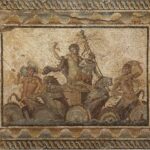
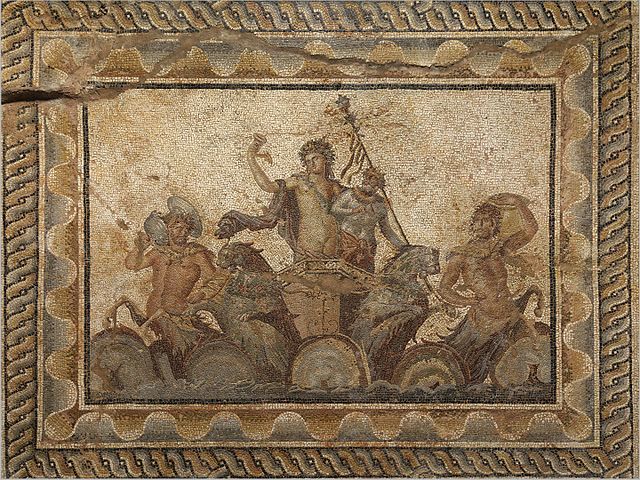
In the realm of gods and legends, few figures are as wild and enigmatic as Dionysus, the ancient Greek god of wine, ecstasy, and ritual madness.
Known to the Romans as Bacchus, Dionysus didn’t just bring the party, he brought the kind of psychedelic experiences that would make even the most seasoned psychonauts take note.
Imagine a club so exclusive that only the elite could afford the entry fee. For nearly two millennia, the Eleusinian Mysteries were the pinnacle of religious experience in ancient Greece.
These secretive rites, held in honor of Demeter and Persephone, promised initiates a peek behind the curtain of the afterlife.
We’re talking about the ultimate VIP list. Philosophers like Socrates, Plato and Aristotle were among the privileged few who got in.
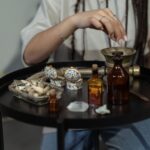
The Mysteries revolved around the myth of Persephone’s descent into the underworld and her mother grief-stricken search for her. Initiates partook in the kykeon, a barley-based brew believed to contain some serious psychoactive punch.
But here’s the catch: unless you were rolling in drachmas and well-connected, you were out of luck.
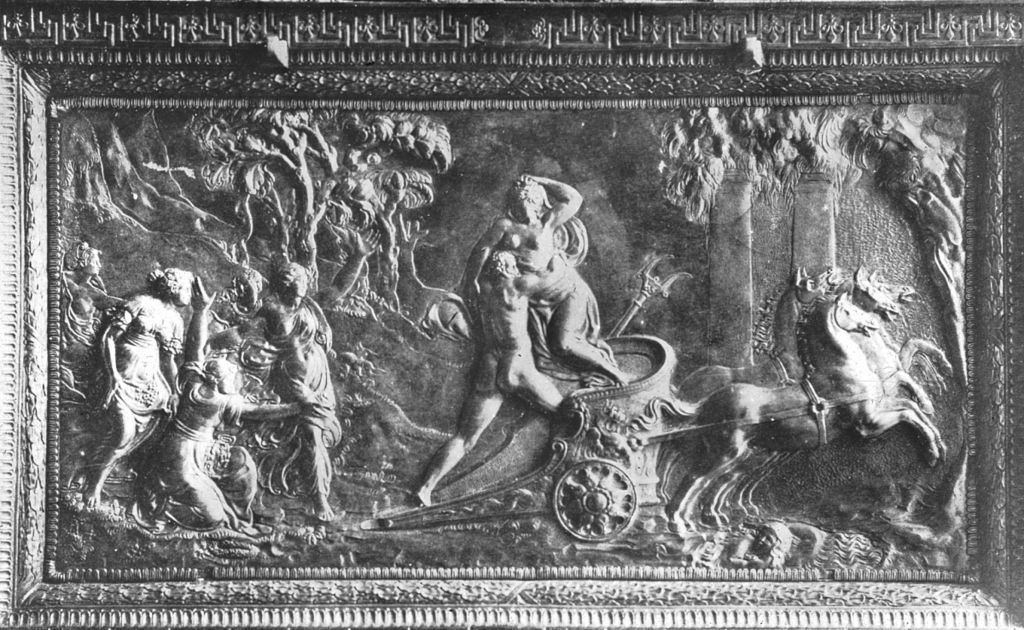
The Dionysian Mysteries: Ecstasy for the Everyman
While the rich were obtaining enlightenment at Eleusis, the common folk had their own ways to touch the divine.
Enter the Maenads, the wild women of Dionysus.
These ladies didn’t need marble temples or gold-embroidered robes. Instead, they took to the mountains and hillsides where they could worship in their own raucous style.
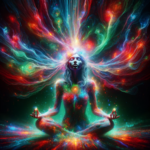
Their rites? Pure, unadulterated ecstasy.
The Maenads likely concocted their own version of the kykeon, spiking their brews with all sorts of entheogens to achieve those mind-blowing states of consciousness.
Think of it as ancient Greece’s answer to Burning Man, minus the port-a-potties.
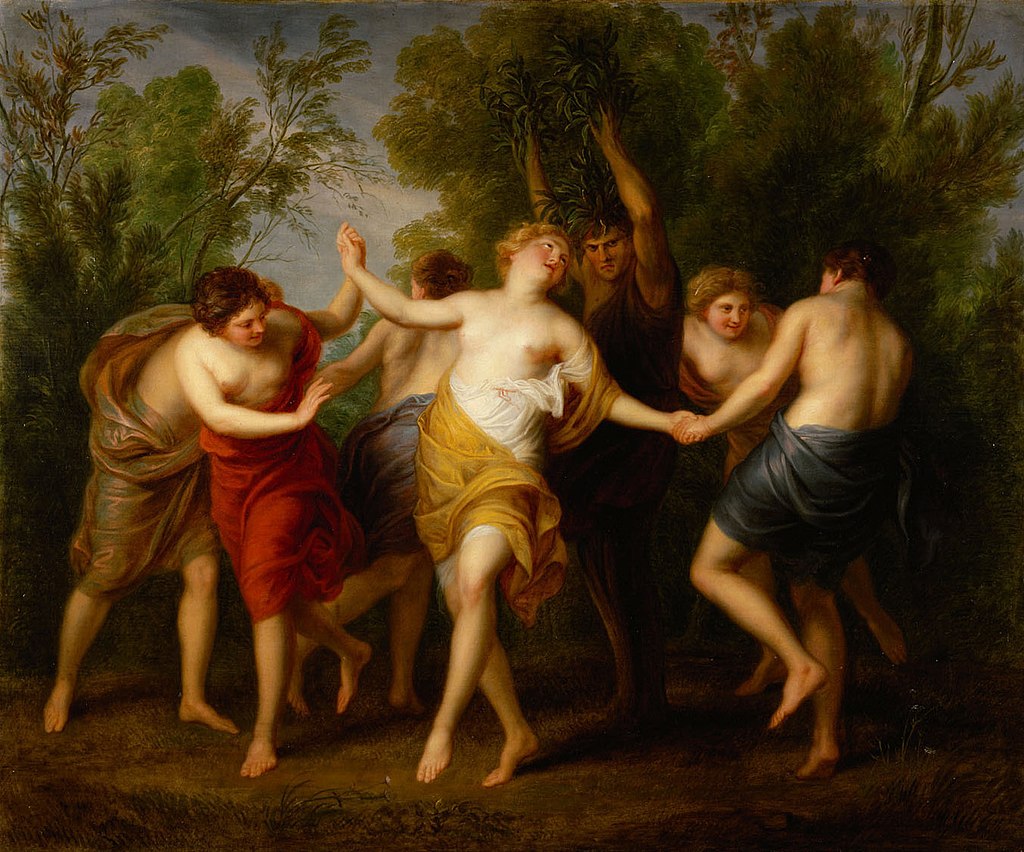
Now, let’s talk about what was really in those cups.
The Greeks were no strangers to potent potions, and their wine wasn’t just fermented grape juice. It was a heady mix of psychoactive plants, herbs, and even lizards, designed to elevate the drinker to new heights of ecstasy.
While we don’t have a modern-day tox screen to prove exactly what was in the Maenads’ brews, the accounts are pretty clear: it wasn’t just alcohol.
Dionysus and his followers didn’t just explore the depths of ecstasy—they danced on the razor’s edge of insanity.
The Maenads, in their frenzied states, embodied the dual nature of Dionysian worship. Their ecstatic dances and rituals often led to moments of sheer madness, where the line between divine inspiration and lunacy blurred.
This wasn’t about getting high; it was about pushing the boundaries of the human psyche. Dionysus himself represents this delicate balance.
As the god of wine, he brought joy and celebration, but his gifts also carried the danger of excess.
The ancient Greeks understood that too much indulgence could lead to ruin, a lesson embodied by the myth of King Pentheus, who was torn apart by Maenads after denying Dionysus’s divinity.
The Fine Line Between Intoxication and Insanity
"He who, as a god, leads men to drink, and who also has been a healer of their sorrows, is rightly called Dionysus."
Plato, Laws
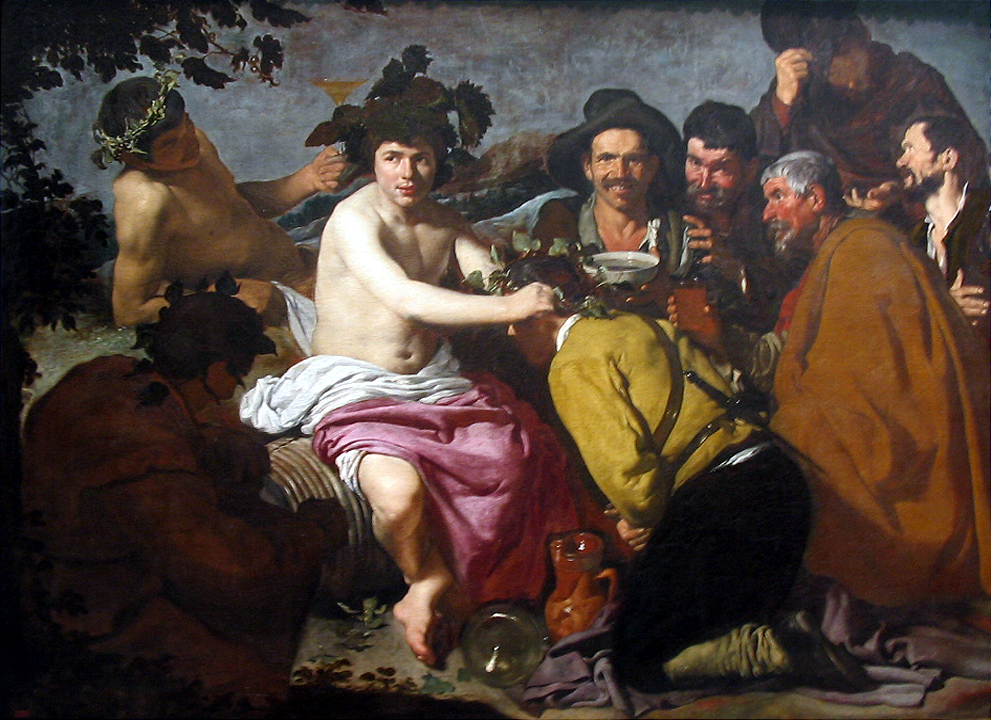
The Dionysian Mysteries weren’t just an alternative for those who couldn’t afford the Eleusinian ticket—they were a full-blown, ecstatic spiritual revolution.
Dionysus brought the divine to the masses, through the wild, intoxicating rites of his followers.
While the Eleusinian Mysteries promised a mystical afterlife, the Dionysian rituals delivered ecstasy here and now, no matter your social standing.
Yet, in their pursuit of ecstasy, Dionysus and his worshippers served as a cautionary tale. The fine line between enlightenment and madness is always present, reminding us that the journey to the divine is fraught with peril.
In the next installment, we’ll dive deeper into the origin story of Dionysus himself. We’ll discuss where he came from, how he got his reputation, and why his legacy endures.
Stay tuned, because the story of Dionysus is one trip you won’t want to miss.